

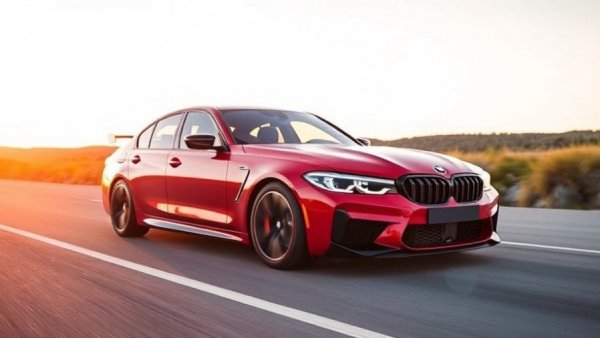
Electric Revolution: The BMW M3 Prototype Experience
When BMW's M Division hosts events, they're nothing short of exhilarating. The recent showcase at their proving ground in Miramar, France, was no exception. As I stepped onto the site, the iconic M branding bombarded my senses with flags and banners signaling the pride and performance of the M series. I was eager to hear the roar of a high-performance engine. However, this was no ordinary day on the track; I first heard the strong growl of an M4 GT4 before everything changed as the electric M3 prototypes sped along silently in their captivating, camouflaged exteriors.
The Shift to Electric: What to Expect from the BMW M3
It has long been known that the BMW M3 is undergoing a significant transformation, moving toward an electric future. Yet, witnessing this shift unfold firsthand was still something of a surprise. For enthusiasts hesitant about this transition, it’s crucial to note that BMW is not abandoning gas-powered engines. They are concurrently developing a combustion-powered version (the G85), likely maintaining a turbocharged inline-six engine in conjunction with hybrid enhancements. While this traditional model promises familiar thrills, the fully electric M3 aims to deliver unprecedented acceleration and innovation, thereby appealing to a broader range of consumers.
Unleashing Power: Quad-Motor Technology
During a thrilling passenger ride led by Sven Esch, M's head of vehicle dynamics, I experienced how this electric M3 is geared for a high-octane future. The quad-motor powertrain, where each wheel boasts its own motor, launches the vehicle instantaneously, hinting at a 0–60 mph time within two seconds—potentially placing it alongside the elite in electric performance. Even without the signature engine growl, the experience was nothing short of heart-pounding, showcasing the future of performance driving. This approach mirrors that of luxury automakers aiming to redefine speed while enhancing driving control and agility.
Simulated Gears: Blending Tradition with Innovation
BMW isn't just turning the page on performance; they're rewriting the script with the introduction of simulated gears. Following in the footsteps of brands like Hyundai and Porsche, BMW has incorporated a technology that allows for the feel of changing gears in an electric powertrain. As I felt Esch manipulate the paddles behind the steering wheel, it was evident that even a departure from a traditional engine wouldn’t mean losing the thrill of driving—an essential trait of the M series. This innovation is sure to generate discussions among purists and techies alike, offering a unique blend of modernity with a nod to the past.
Electric Performance Stats: How Does It Compare?
The prototype impresses with some claimed performance stats: a maximum output of 838 hp and a staggering 885 lb-ft of torque. The front and rear motors are capable of delivering specific horsepower ratings, which could establish this model as a formidable contender in the EV performance arena. That said, these figures do mark a notable distance from competitors like the 1153-hp AMG GT 63 and the 1019-hp Porsche Taycan. However, it’s also important to consider that performance metrics in the electric vehicle market are increasingly focused on factors beyond just raw horsepower. Handling, range, and charging capabilities are just as vital, leading to a more comprehensive evaluation of excellence in EV technology.
Battery Technology: Breaking New Ground
The battery system utilized in the M3 electric prototype is impressive as well. With a dedicated new cell design, a 100 kWh capacity, and cutting-edge cooling technology, the M3 EV aims to deliver an EPA range of approximately 300 miles. The charging capabilities are equally impressive, promising peak speeds of around 420 kW, outpacing the regular i3 and standing better than those of some competitors. The regenerative capabilities are raised to potentially 540 kW, reflecting BMW's commitment to not only performance but sustainability as well. Innovations in battery technology are crucial as the automotive industry shifts towards greener solutions, ensuring that enthusiasts can still enjoy thrilling performance without compromising environmental responsibility.
The Future of Performance: Balancing Tradition and Innovation
As I left the proving grounds, a new question loomed large: Are we ready for such a radical shift in driving dynamics? The legacy of the BMW M series rests heavily on visceral driving experiences and the roar of powerful engines. While the power and capability of EVs point towards a fascinating future, there's an undeniable sense of melancholy among enthusiasts. Yet, keeping the combustion variant alive ensures that the emotional connection of driving isn't lost. The electric M3 offers a glimpse into a balanced future, keeping both purists and tech-savvy enthusiasts engaged. This duality exemplifies a significant turning point for automotive culture, where performance and sustainability coexist harmoniously.
This striking juxtaposition of electric advancements alongside cherished tradition embodies the dual identity of the automotive world today—a riveting dance of innovation and heritage. As we look ahead, it is clear that the electric BMW M3 is set to carve its own thrilling path in the electrified automotive landscape. With each advancement, BMW reaffirms its commitment not just to performance, but to the evolving desires of consumers who seek high efficiency along with high excitement. The road ahead may be electric, but it promises to lead to exhilarating destinations and unforgettable experiences for all driving enthusiasts.








Write A Comment