

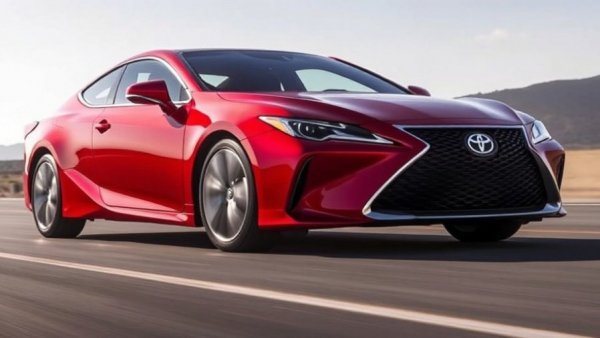
Understanding the Takata Airbag Crisis
The Takata airbag recall saga is one of the most significant safety scandals in automotive history. Originating over a decade ago, it has led to the recall of approximately 67 million airbags spanning multiple brands. Recently, Toyota has announced another recall affecting 314,000 vehicles, highlighting ongoing concerns about the safety of these airbags. But what does this mean for consumers, and why should they take immediate action?
Why This Recall Matters for Toyota and Lexus Owners
This latest recall impacts both Toyota and Lexus vehicles, as the automaker addresses potential defects in airbag inflators. Although Toyota has not released precise model details, it encourages owners to act swiftly. The degradation of the airbag inflator propellant can lead to catastrophic failures, potentially unleashing metal fragments into the vehicle cabin during deployment. This is particularly alarming as it poses an unseen threat, with no warning signs before a failure occurs.
Critical Steps to Take as a Vehicle Owner
If you own a Toyota or Lexus vehicle, it's crucial to check whether your car is affected. You can verify your vehicle identification number (VIN) by visiting Toyota's recall page or NHTSA’s website. Given the high stakes, addressing these recalls should be a top priority to ensure safety. Toyota plans to replace the front passenger airbag inflator or potentially the entire airbag assembly as needed. The proactive steps taken by owners now can prevent serious accidents down the road. Knowing your vehicle's recall status is essential not only for your safety but also for the safety of your passengers.
What Makes Takata Airbags So Dangerous?
The unique danger posed by Takata airbags stems from how they were manufactured. Differences in temperature and humidity can cause the propellant used in airbag inflators to degrade over time, increasing the risk of rupture during deployment. The National Highway Traffic Safety Administration (NHTSA) reports that about 9% of these faulty airbags remain on the road today, which translates to over six million vehicles that could still present significant dangers. This lingering risk underlines the importance of taking immediate action if your vehicle is involved in a recall.
Historic Context of the Safety Concerns
The Takata airbag scandal dates back to issues first identified in 2001, but it escalated dramatically with increased reports of failures leading to injury and fatalities. High-profile incidents and lawsuits brought critical attention to the risks associated with these airbag systems. As recalls surged, various manufacturers, including Honda and BMW, joined the list of those affected, amplifying the urgency for vehicle owners to stay informed. In fact, the Takata situation has changed the very landscape of automotive safety regulations and consumer expectations significantly. For instance, past inaction or insufficient responses from manufacturers led to heightened scrutiny and improved regulatory oversight, shaping modern automotive safety procedures.
Consumer Trust and Manufacturer Accountability
Given the scale of these recalls, consumer trust in automotive brands is at stake. How automakers respond to these crises can influence long-term relationships with their customers. Transparency is essential; therefore, brands like Toyota must continue to communicate openly about the safety of their vehicles to ensure consumer confidence remains high. The ongoing recalls serve as a reminder that even well-established brands must prioritize safety and act quickly to address potential issues. It is imperative for companies to regain and retain customer trust after such large-scale recalls.
Future Implications and How the Automotive Industry is Responding
The Takata issue has prompted the automotive industry to rethink airbag technologies thoroughly. Manufacturers are investing in research to develop more reliable safety systems and impose stricter quality control protocols to avoid similar incidents in the future. Stakeholders anticipate stricter regulations and higher safety standards, aiming to prevent the recurrence of such tragic errors. Innovations in airbag technology include the development of more advanced materials and mechanisms that can withstand a broader range of environmental conditions, which could potentially eliminate the risk of degradation that the Takata airbags faced.
Your Role as a Responsible Vehicle Owner
When it comes to vehicle safety, taking active steps toward responsibility is paramount. Regularly educate yourself about the potential risks associated with your vehicle, especially concerning recalls. Beyond just Takata airbags, staying up to date with automotive technology can significantly enhance not only your driving experience but also your safety on the road. Engaging with credible sources provides valuable insights that empower you to make informed decisions on vehicle maintenance, safety, and performance. Additionally, joining local automotive forums or community groups can open up discussions about vehicle safety and recalls, giving you another layer of information from fellow drivers.
Act now to ensure your vehicle's airbags are safe. With past incidents lingering in history, it is vital not to overlook these potential hazards. After checking your VIN and addressing any recalls, consider keeping in touch with your dealership for any future updates. Stay informed, stay driven, and prioritize your safety by utilizing available resources to ensure your vehicle is up to date.











Write A Comment