

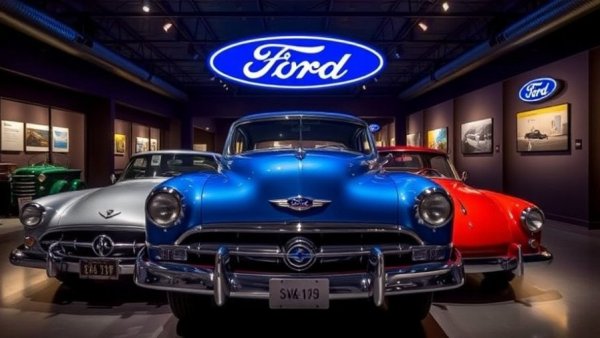
Unveiling the Ford Vault: A Glimpse into Automotive History
After decades of neglecting its rich automotive heritage, Ford has finally opened the doors to a treasure trove of its legacy—the Ford Vault. Located in Romulus, Michigan, just a short drive from Ford World Headquarters in Dearborn, this new museum represents a seismic shift in the company’s approach to preserving its past. With 125 iconic vehicles on display, the Vault showcases not only the beloved models of the Blue Oval but also rare prototypes and significant cars from Ford's illustrious history. This initiative reflects Ford's understanding that their story is not just about cars but also about the people who created them and the lives they touched.
The Need for an Official Museum
For years, Ford maintained a policy of selling or disposing of vehicles once they reached the end of their useful lifespan. This meant that many historical models were lost to time, leaving enthusiasts and historians craving a dedicated space to celebrate the brand’s contributions to the automotive world. Inspired by global counterparts like Porsche and Mercedes-Benz, Ford’s decision, under CEO Jim Farley’s leadership, marks a profound turning point.
This change in policy is not merely about saving cars; it is about honoring the legacy of ingenuity and determination that helped shape the automotive landscape. By preserving these vehicles, Ford is acknowledging the pivotal role it has played in American culture and technology, elevating the brand’s relationship with its loyal fan base.
Highlighting Iconic Vehicles and Prototypes
The Vault is a home for vehicles that tell the story of innovation and design excellence. Among the most notable exhibits are:
- 1999 Mustang V-10 Prototype: This extraordinary prototype was an ambitious project that combined two V-8 engine blocks to create a V-10 engine, showcasing Ford's relentless pursuit of performance. Although the engine never made it into production, it signifies Ford's willingness to push boundaries and explore radical ideas.
- Ford GT Concept “Petunia”: A sneak peek into the design evolution of the iconic GT, this concept car debuted at the 2002 Detroit Auto Show, displaying Ford's vision for the future of the sports car. It brings to light the creative process behind production vehicles, emphasizing how concepts evolve into consumer-ready cars.
- 1966 Ford GT40s: These legendary race cars, which dominated the 1966 Le Mans, are temporarily on loan, celebrating Ford's historic contributions to motorsport. Their presence serves not only as a reminder of Ford's racing pedigree but also as an inspiration for future generations of automotive engineers and designers.
Emphasizing Global Reach
What sets the Ford Vault apart is its inclusive vision of Ford's history. The presence of the 2008 Ford Ka, the last of the first-generation model, illustrates that the museum will celebrate U.S. cars and international models alike. This focus on diversity in the collection not only broadens Ford's appeal but also connects enthusiasts around the world with a shared passion for automotive excellence. Highlighting international models like the Ka reflects the global impact Ford has had, from Europe to Asia and beyond.
By showcasing these international gems, Ford reinforces its commitment to addressing a global market with varied tastes and preferences, proving that it understands and values all of its customers—no matter where they live. This makes the Ford Vault a must-visit destination for anyone interested not just in American automotive history, but global automotive trends as well.
Future Predictions: A Living Museum
Ford plans to keep the Vault dynamic. With around 30 concept cars already on display, the museum aims to continually refresh its offerings by acquiring new models and showcasing vehicles on loan from private collectors. This approach will keep car lovers returning to explore fresh exhibits and learn about Ford’s ongoing innovations. Planning to host rotating exhibits will foster ongoing interest and engagement from the community.
Additionally, Ford may host events, workshops, and lectures, further enriching the visitor experience. This educational component could inspire young innovators and mechanics, nurturing the next generation of automotive visionaries to dream big.
Engaging With the Community
While the museum is currently not open to the public, Ford intends to open the Vault to everyone in the future. This initiative reflects a growing recognition of the importance of automotive history to local communities and car enthusiasts alike. Providing a space for families to explore and learn could foster a new generation of auto aficionados. Events geared towards local schools and community groups may also encourage engagement and pride in Ford's legacy.
By embracing the community, Ford not only builds brand loyalty but also transforms the Vault into a cultural hub where history meets innovation, inspiring a sense of belonging among car enthusiasts and casual visitors alike.
The Broader Impact of Preserving Automotive Heritage
This shift toward preserving history resonates deeply in today’s fast-paced, technology-driven world, where nostalgia and heritage meet innovation. The Ford Vault serves as a reminder that every car tells a story, and understanding this history enriches our connection with automotive culture. By creating a place to celebrate these shared narratives, Ford is enhancing the community’s appreciation for the craftsmanship and heritage intertwined within each vehicle.
In preserving these historical pieces, Ford engages in a larger conversation about sustainability and responsibility in the auto industry. As manufacturers increasingly pivot towards electric and hybrid vehicles, remembering classic styles and technologies reminds us of the journey and evolution of automobile engineering.
Overall, the Ford Vault symbolizes more than just a collection of cars; it encapsulates Ford's commitment to honoring its legacy while embracing future innovations. For car lovers and history buffs alike, it will soon emerge as a landmark where the past meets the present. As the museum prepares to unveil its riches to outsiders, it reinforces the notion that our automotive history is not just about the vehicles, but the stories and lives shaped by them.










Write A Comment