

The Cost of Speed: A Tragic Collision on the Roads
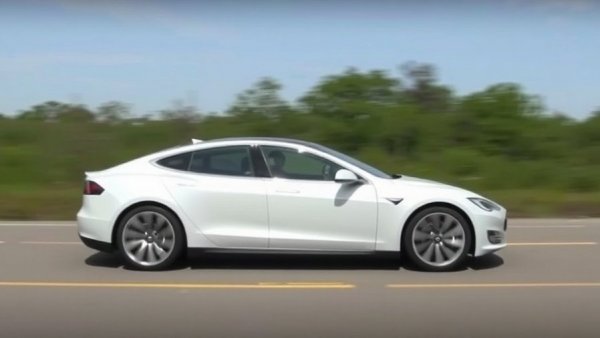
A tragic head-on collision in California has prompted a lawsuit that highlights issues surrounding safety at automotive events. It all began on August 30, 2026, when a 70-year-old woman named Michelle Brooks found herself at the center of a devastating accident near La Honda. The incident involved a Tesla Model Y, driven by 21-year-old Micah Zuglian, who was reportedly showcasing the car's capabilities during a gathering known as Cars and Coffee.
A Reckless Demonstration: The Facts Behind the Crash
The civil complaint, filed in San Mateo County Superior Court, claims that Zuglian reached alarming speeds of 83 mph on a road where the posted speed limit was just 35-40 mph. According to the lawsuit, this reckless driving occurred while demonstrating the car’s performance to event photographers. Such demonstrations are common at automotive gatherings, yet speed-related incidents raise serious questions about responsibility and participant safety.
Photographs taken during the drive allegedly show the vehicle’s speedometer exceeding safety limits, indicating that this demonstration was far from routine. As Zuglian crossed the double-yellow lines on the road, Brooks’s Honda CR-V was struck, leading to her hospitalization with severe injuries. Brooks's medical care has included treatment for fractured vertebrae, fractured ribs, and a traumatic brain injury—all injuries which may result in a long recovery process and potentially lifelong impact on her quality of life.
Exposing the Event’s Controversial History
What makes this lawsuit particularly alarming is the background of the event itself. Reports indicate that organizers were urged by representatives from the California Highway Patrol and the San Mateo County Sheriff’s Office to cancel the Cars and Coffee gathering due to traffic safety concerns. The area around State Route 84 has a chilling reputation, with statistics revealing it is notorious for racing-related accidents.
In the last five years alone, more than 20 fatalities and nearly 800 injuries have occurred due to automobile crashes in the vicinity. This grim track record raises critical questions about the safety protocols in place during such events and the responsibilities organizers hold in protecting both participants and the public. It underlines the need for organizing bodies to be vigilant and proactive in assessing and mitigating risks associated with high-speed driving demonstrations amidst public gatherings.
Negligence and Liability: Who Will Be Held Accountable?
The lawsuit not only names Zuglian but also Tesla and the event organizers, including Ethan Garabedian of “9burgring” and Ambassador Wine Bars LLC. Brooks claims that Tesla negligently entrusted the vehicle to its representative without adequate supervision, suggesting that the automaker shares responsibility for the crash. Additionally, the organizers are accused of negligence for continuing with the event despite prior warnings about potential dangers.
While the allegations remain unproven in court, they shine a light on the complex legal landscape surrounding automotive events and the expectations that come with them. Should event organizers anticipate and mitigate risks? How do automakers balance performance showcases with public safety? These are questions that lawmakers, companies, and car enthusiasts must ponder as they navigate this evolving arena, which not only tests the limits of engineering but also the limits of responsibility.
Broader Implications for Automotive Events and Street Safety
The Brooks case reflects a broader issue in the automotive community: the fine line between showcasing engineering marvels and ensuring public safety. Car enthusiasts often gather to celebrate speed and innovation, but when such demonstrations put lives at risk, it reveals a pressing need for regulatory changes. The rise in popularity of electric vehicles like Tesla, known for their speed and acceleration, makes such discussions even more relevant.
Events like Cars and Coffee are intended to foster community and passion among car lovers. However, with the increasing prevalence of high-performance electric vehicles like Tesla, the stakes have elevated dramatically. Organizers may need to enforce stricter guidelines, perhaps limiting demonstration speeds and requiring safety briefings for both drivers and spectators. Collaboration with local law enforcement to ensure safety could be a vital step forward in preventing future tragedies.
Potential Changes in Road Safety Regulations Ahead
With pressure mounting for accountability in the wake of this incident, we may soon see changes in local and state regulations governing car events. Enhanced safety measures, driver training programs, and stricter repercussions for negligent behavior may emerge as necessary changes to protect the community. As technology in vehicles continues to advance, so too should the considerations surrounding public safety and automotive regulation. Developing industry standards for how car manufacturers and event organizers can work together will be essential.
A Call for Reflection: Rethinking Speed and Community
The unfortunate incident involving Michelle Brooks serves as a stark reminder of the possible dangers associated with speed and reckless driving at automotive gatherings. As we reflect on this event, it is a crucial opportunity for car enthusiasts and organizers to advocate for safer practices, emphasizing that the love for cars should not come at the expense of safety.
For those engaged in automotive culture, it is essential to recognize our collective responsibility in promoting safe practices and instilling respect for the rules of the road. Communities can come together to create initiatives that educate drivers and spectators alike on the importance of safety and the dangers posed by irresponsible driving behavior. As the automotive landscape evolves, so must our commitment to ensuring safety for everyone involved, making our roads safer for all users.








Write A Comment