

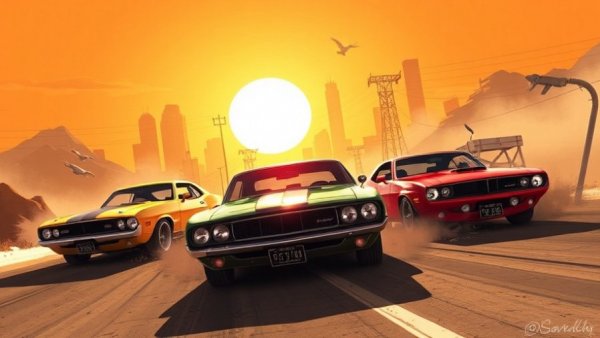
25 Years of High-Octane Adventures
The Fast and the Furious franchise has transformed the action genre over its 25-year run, evolving from a simple story about street racing into a sprawling universe filled with heists, family, and unbelievable stunts. The original film, released in 2001, introduced audiences to cop Brian O’Connor, who goes undercover to infiltrate the world of illegal street racing. What started as a niche film quickly snowballed into a global phenomenon, changing the landscape of action movies forever. This transformation illustrates not only the storytelling potential of the series but also the evolving interests of action film audiences.
The Evolution of Fast Cars and High Stakes
With each new installment, the stakes grew exponentially. In 2003, 2 Fast 2 Furious solidified the franchise's place in mainstream cinema, introducing new characters like Roman Pearce while replacing the emotional core of the story with a focus on criminal exploits. By the time we got to Fast Five in 2011, the series had shifted gears entirely, pivoting from street racing to high-stakes heists, with the crew robbing a drug lord’s vault. This transition marked a significant change in tone, showcasing not only thrilling car chases but elaborate narratives that drew in viewers beyond just car enthusiasts. The elaborate heists, often inspired by real-life criminal exploits, also added a layer of excitement and danger, contributing to the franchise's enduring appeal.
Engaging with Diverse Audiences
The allure of the Fast & Furious series is not just in its cars and action, but also in its rich tapestry of characters who come from various backgrounds. The introduction of characters like Luke Hobbs, played by Dwayne Johnson, and the addition of international locales have expanded the appeal of the franchise. Each film has leveraged the diversity of its ensemble casts to resonate with global audiences, establishing a unique bond through shared experiences of family, friendship, and loyalty—factors that are at the heart of the series. This focus on inclusivity has made the franchise relatable to a broader audience, allowing fans around the world to see aspects of their own cultures represented on screen.
Parody of Action Movies and Cultural Impact
As the franchise progressed, it embraced its own absurdities; who would have thought we’d see cars racing through the air between skyscrapers or a Pontiac Fiero in space? The evolution to include elements that parody traditional action films reaffirms that Fast & Furious knows it’s more than just a car movie—it’s become a staple of pop culture. By absurdly outdoing itself with each chapter, it brings joy and engagement to audiences who revel in its self-aware humor. This self-awareness can be seen as a nod to viewers who have grown to appreciate both the seriousness and the silliness of cinematic storytelling. Notably, the spectacular stunts and outrageous action sequences have often sparked memes, merchandise, and a unique brand cultural commentary, which only adds to the franchise's legacy.
Lessons from Two Decades of Action
The lasting success of the franchise ensures that it has changed how action movies are produced. From practical effects to complex stunts, the commitment to entertainment while adapting technological advancements has created new benchmarks. There’s a clear takeaway: when films blend creativity with audience insight, they can capture the public imagination for years. Filmmakers have utilized cutting-edge digital effects and advanced production techniques, pushing the envelope to create increasingly jaw-dropping visuals. As technology continues to advance, will the Fast & Furious series continue to set the bar for action movies? Only time will tell.
A Look Back on the Franchise's Legacy
This 25-year celebration pushes us to reflect not just on the franchise's stunts and cars but also on the relationships that bring these films to life. The Fast & Furious series strikes a perfect balance between absurdity and relatable human connections. Viewers find themselves invested in the character arcs and emotional moments that punctuate the loud and fast action. Relationships like that of Dom and Letty, or Brian and Mia, add depth amongst the high-speed chases, providing a contrast to the adrenaline-fueled nature of the films.
In the ever-competitive film industry, it's a remarkable feat for any franchise to remain relevant and grow for a quarter-century. As blockbuster franchises like the Marvel Cinematic Universe have taken the spotlight, Fast & Furious has carved out its own identity by taking bold risks, engaging diversely, and consistently surprising audiences around the world. The blend of high-octane action, compelling characters, and an engaging narrative has turned Fast & Furious into a significant cultural touchstone, making it much more than a series about fast cars; it’s a testament to the power of storytelling, community, and the love of family, both onscreen and off.
As we look to the future of the Fast & Furious franchise, fans around the globe eagerly anticipate what new adventures await. Will the series continue to push boundaries? Will it explore fresh narratives while honoring its roots? One thing is certain: with a devoted fanbase and a commitment to thrilling entertainment, the Fast & Furious legacy is destined to accelerate for many more years to come.









Write A Comment