

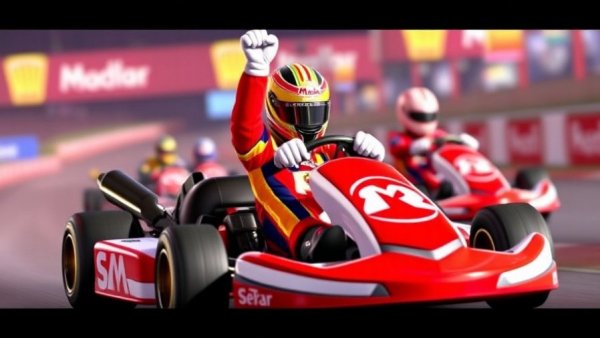
Max Verstappen's Unique Perspective on the Las Vegas GP
Max Verstappen's impressive victory at the Las Vegas Grand Prix has sparked lively discussions about the current state of Formula 1 racing. With four wins in just six races, Verstappen is clearly dominating—in terms of results. However, his thoughts on the race experience paint a contrasting picture. His comparison of the event to the fast-paced world of Mario Kart highlights a growing concern among drivers about the balance between racing and energy management in the sport. Fans who look to F1 for thrilling battles on the track may be disappointed to learn that technology plays a larger role than pure driving skill in the current formula.
The Reality of Hybrid Racing
Verstappen expressed frustration when asked about the current F1 regulations, which favor hybrid technology over pure racing instincts. For the drivers, the continuous calculations needed for battery management overshadow the thrill of racing. Like many in the sport, he feels that the need to focus on energy deployment detracts from the raw competition that fans crave. In previous races, drivers could rely heavily on their instincts and skill to gain advantages over their competitors, but the introduction of weightier hybrid systems complicates these dynamics. Lando Norris echoed this sentiment, stating that managing battery life consumed more attention than navigating the track itself. Norris, who finished second in the race, found himself preoccupied with energy monitoring rather than taking risks and pushing for positions on the track.
The Show vs. the Sport: What F1 Fans Want
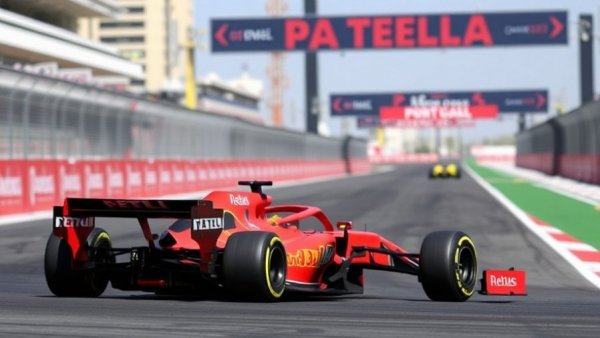
Interestingly, Verstappen spoke about enjoying the spectacle from an outsider's perspective. The Las Vegas GP was indeed a visual spectacle, showcasing the excitement of Formula 1 racing with flashing lights, vibrant crowds, and a lively atmosphere. The event drew a large audience not only for the race but also for the elaborate festivities surrounding it. Yet for fans and racers alike, there's a question of whether the sport is losing its competitive edge in favor of entertainment value. The adrenaline rush that accompanies close racing has been dulled by strategic battery usage. This tension—between the need for entertainment and the desire for fierce competition—raises significant concerns about the identity of Formula 1 moving forward.
Future of Formula 1: The Hybrid Conundrum
As technologies develop and evolve in motorsport, F1 will continue to need to find a balance between innovation and thrilling racing. Verstappen’s concerns highlight a pivotal moment for the sport. Will the focus remain on fan engagement through entertaining spectacles at the cost of intense racing action? Or will a shift return F1 to a more traditional racing format that prioritizes driver skill over technology? The sport has always been a blend of human artistry and engineering, but as hybrid systems take precedence, there’s a growing fear that the human dimension of racing may be downplayed.
Insights from the Drivers
The perspectives of modern drivers like Verstappen and Norris provide insight into the challenges faced in today's racing environment. The switch to hybrid systems was intended to make the sport more environmentally friendly, but it also introduced complex layers to racing strategies. Drivers must continuously gauge their speed, battery levels, and competitors' moves—all while racing at breakneck speeds. Each driver’s ability to adapt to these changes will shape the future of both Formula 1 as a sport and the viewer experience. Moving forward, how drivers balance technical skill with strategic energy management will be key in determining who emerges victorious in this evolving landscape.
Moreover, the mental strain on drivers, already immense due to high-profile pressure, has increased with the added complexity of hybrid racing. This change may affect not only the drivers’ performances but also the overall excitement of the sport. It’s critical that the racing community embraces feedback from those directly involved.
The Human Element in Racing
For Verstappen and many other drivers, the heart-pounding thrill of the race has been somewhat replaced by a need to monitor technology. His admission that he felt "cruising" during the race brings awareness to the human aspect of racing. While comfort and control are crucial, the unpredictability of racing is what excites both drivers and fans. This intrinsic excitement is something the sport must strive to retain. The joy of racing comes not just from the speed but from the uncertainty—drivers taking risks, vying for position, and showcasing their skills. The challenge for F1 is to find innovative solutions that harmonize the technical advancements with the age-old adrenaline-pumping essence of racing.
Conclusion: A Call for Balance
The Las Vegas Grand Prix may have dazzled audiences, but it also revealed significant questions regarding racing's future. While Max Verstappen excels in performance, the need for a revival of traditional racing excitement is essential. This moment could spark a potential shift within the sport to prioritize what makes Formula 1 unique and thrilling: competitive racing that engages both the drivers and the audience. Fans crave that visceral connection to the race—an experience where the stakes are high and the drama unfolds on the track.
If fans want to see how these trends impact future races, there has never been a more exciting time to get involved with F1. From engaging in discussions on platforms like social media to following races that return the focus to driver skill, being part of the F1 community means advocating for the sport's core essence. As enthusiasts voice their opinions, the sport must respond, potentially guiding it back to the thrilling, head-to-head competition that has captivated audiences for decades. The evolution of F1 should not come at the cost of the very adrenaline that fuels its popularity.








Write A Comment