

F1's LEGO Minicar Race: A Spectacle of Creativity and Fun for Fans
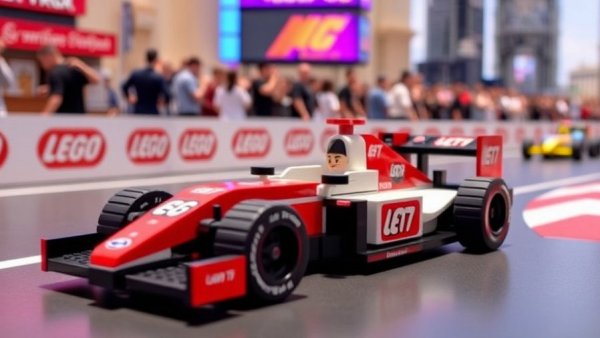
The energy of Formula 1 racing met the colorful creativity of LEGO at the recent LEGO Minicar race held in vibrant Las Vegas. This spectacular event was not just about speedy competition; it was a delightful showcase of celebrities navigating pint-sized LEGO vehicles around an FIA-rated street circuit. This exciting intersection of sports and entertainment debuted its unique format, captivating fans both young and old. From the roaring sounds of engines in the heart of the city to the chatter of excited voices, the atmosphere was electric as families and friends gathered to witness this one-of-a-kind spectacle.
The Making of LEGO Minicars: Design Meets Engineering
Over 6,400 hours of craftsmanship came together to create the LEGO minicars used in the race, a product of meticulous work from a dedicated team of designers and builders at the LEGO Group’s factory in Kladno, Czech Republic. These miniature vehicles are not merely toys; they embody the grandeur of F1 racing while retaining LEGO's hallmark playful character. The designers ensured that each minicar reflected the unique aesthetics of their real-world counterparts while being practical to race on the street circuit. This blend of engineering and creativity emphasizes how LEGO continues to innovate, expanding its reach beyond traditional play into realms of competitive entertainment. Additionally, the intricate detailing on each car showcases LEGO's commitment to quality and creativity, further solidifying its reputation as a leader in the toy industry.
The Celebrity Lineup: Stars in LEGO Style
The celebrity appearances added a layer of fun and chaos to the event. DJs, athletes, chefs, and actors took part, with notable personalities such as Australian DJ FISHER, who embraced the spirit of competition dressed as a Red Bull Racing driver. Each participant brought their flair, with FISHER controlling the early pace much like an F1 racer would on a lap. The inclusion of well-known figures from various fields not only attracted their fans but also introduced new audiences to the thrilling world of Formula 1. The charm of seeing figures like Gordon Ramsay, Hannah Waddingham, and Jordon Chiles racing for LEGO glorified the intersection of different entertainment sectors while thrilling fans on track. Celebrating this mix of talent enhances the event's appeal and illustrates how diverse elements can come together to create something truly memorable.
The Thrill of Competition on a LEGO Scale
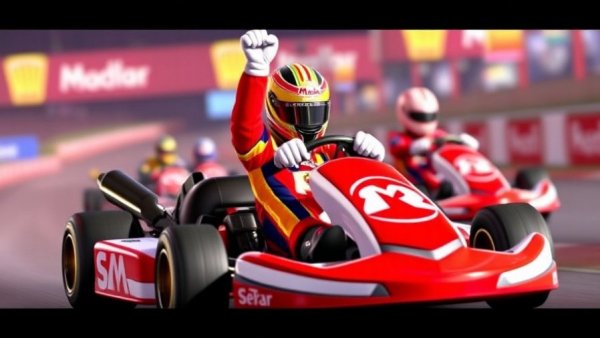
In an environment where fans are treated to high-stakes racing, witnessing the unexpected dynamics of a LEGO race offered an inviting twist. The laughter and excitement in the air provided a stark contrast to the intensity of a regular F1 race, evoking a sense of nostalgia and joy. Celebrities engaged in friendly rivalry, with Ramsay humorously reaching out to grab LISA's Ferrari-themed minicar. Such antics exemplified the lighthearted nature of the event, encouraging fans to enjoy not just the racing but the camaraderie among their favorite stars. The playful shenanigans turned the race into a delightful spectacle where winning was secondary to the entertainment. As FISHER celebrated his victory alongside Chiles and Waddingham, they hoisted oversized trophies that embodied a whimsical celebration of fun, reinforcing the event's entertainment goal. This instance of playful spirit resonates well within the modern entertainment landscape, promoting a culture where joy often takes precedence over competitiveness.
Future Possibilities: The Real-World Impact of Playful Racing
This LEGO Minicar race not only entertained but also showcased how brands can creatively engage audiences. The partnership between LEGO and F1 signifies a growing trend where brands seek innovative ways to connect with fans. Enthusiasts can look forward to more unique events that blur the lines between play and fan engagement. This illustrates a trend where sporting events embrace creativity, potentially sparking a new wave of interactive experiences involving technology and audience participation. Imagine future races that could incorporate augmented reality, allowing fans to interact with their favorite drivers and teams in real-time—further breaking barriers and blending play with passion. Such advancements could enhance the overall spectator experience, making each event not just a race to watch, but an immersive experience to participate in.
Conclusion: Racing Beyond the Track
The LEGO Minicar race in Las Vegas provided a refreshing perspective on motorsport, blurring lines between sport, art, and play. It successfully captured audience imagination, fostering a sense of community among fans and celebrities alike. The event not only entertained but created memories that will linger long after the cheer of the crowd fades. As firms like LEGO continue to merge fun with competition, we can anticipate similar future spectacles that redefine entertainment by placing enjoyment at the forefront. This event might be a child’s play on the surface, but it resonates deeply, impacting how brands connect with fans and inspire creativity. By bridging gaps between different entertainment sectors, the LEGO Minicar race has set a precedent demonstrating that joy and community spirit can fuel the evolution of traditional competition.








Write A Comment