

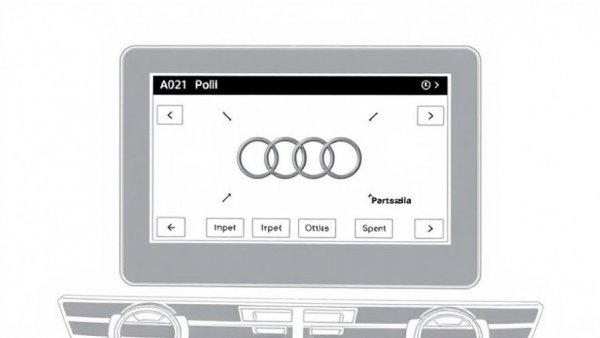
Revolutionizing In-Car Controls: Audi's Ingenious Patent
With technology evolving rapidly, the automotive industry is finding innovative ways to balance traditional user experiences with modern digital interfaces. Audi's recent patent application for a unique motorized switch bar that deploys physical buttons from behind a touchscreen is a testimony to this trend. By combining the tactile satisfaction of physical controls with the sleekness of a digital display, Audi has created a solution that caters to both tech enthusiasts and traditionalists. This dual-functionality is likely to resonate well with a wide range of consumers who desire both visual modernity and user-friendly touchpoints in their vehicles.
The Appeal of Physical Controls in a Digital World
In today's vehicles, touchscreens have become ubiquitous, often leading to a frustrating experience for those who prefer the feel of physical buttons. Audi’s system addresses this challenge by allowing buttons to emerge only when needed. This design not only enhances user interaction but also responds to a common complaint about touchscreens: they can be awkward to navigate while driving. By introducing deployable buttons, Audi is taking a step toward a more user-friendly environment.
For many drivers, the tactile feedback of pressing a button contributes significantly to the overall driving experience. Musical controls, climate settings, and navigation input can often be done without taking one’s eyes off the road when using physical buttons. This could potentially reduce distractions, leading to safer driving conditions—a critical concern for many consumers.
Enhancements in User Experience
One of the most intriguing aspects of Audi’s design is its potential to increase the functionality of the in-car display without compromising aesthetics. By having buttons that appear when necessary, the dashboard maintains its clean design, which appeals to modern consumers looking for sophisticated interiors. Such innovative design thinking allows room to expand the visual experience—like deploying buttons during a film's start instead of cluttering the interface with static controls. Additionally, this approach opens doors for customization, allowing users to tailor their driving environment to fit their preferences.
Moreover, for vehicle makers, this technology could be a competitive advantage in a market where first impressions matter immensely. Consumers might be drawn to the clean lines and minimalist appearance of dashboards that cleverly hide controls, effectively merging artistry with utility. As tastes continue to evolve, the demand for innovative interaction methods will only grow, pushing manufacturers like Audi to stay ahead of the curve.
How This Technology Works: A Closer Look
Audi's patent notes that the buttons can deploy at startup or through intuitive interactions such as voice commands or gestures. This feature not only allows for a cleaner appearance but also provides a customizable experience. Users can select their preferred method of operation, whether they want to use touch-based functions or utilize the tangible sensation of buttons. The juxtaposition of these two modalities is likely to engage more users and enhance overall safety.
By addressing the concerns of various users—those who love the tactile feel of buttons and those who prefer the simplicity and modern look of a touchscreen—Audi's innovation reflects a comprehensive understanding of consumer desires. This flexibility in user interface design may set a new standard for future vehicles, leading to more personalized driving experiences.
The Cost of Innovation: Potential Challenges Ahead
Despite the excitement surrounding Audi's innovation, it's essential to consider the potential pitfalls. The added complexity of a mechanical deployment system might lead to increased maintenance costs and repairs over time. The question arises: will drivers be comfortable with this additional layer of technology, or will they prefer the stripped-down, cost-effective alternatives prevalent in many vehicles? These are important questions that both consumers and Audi will need to address moving forward.
Moreover, the integration of more sophisticated technology could result in a steeper learning curve for some users. Although Audi aims to design a user-friendly system, there will undoubtedly be drivers who may struggle to adapt to new features. It will be vital for Audi to provide comprehensive guidance and support to assist users in making the most of their vehicles' capabilities.
Future Implications for Automotive Design
This advancement illustrates a broader industry trend of merging mechanics with electronics, setting a precedent for future vehicle controls. As car manufacturers increasingly look to differentiate themselves in a competitive market, technologies like Audi’s could inspire rival companies to develop similar systems. The ability to adapt interfaces in real-time may soon become a standard expectation from consumers.
As this type of innovation becomes more common, manufacturers face the challenge of continuously updating their technology to attract tech-savvy buyers. The bar will be set increasingly high as consumer expectations shift toward a more interactive and customizable in-car experience.
Balancing Tradition and Progress: What This Means for Consumers
Audi's innovative approach speaks directly to modern drivers who have diverse preferences for their tools and interfaces. As car design continues to evolve, drivers may find themselves with more options than ever before, allowing them to pick what suits their personal style and driving habits best. This flexibility may lead to greater satisfaction and engagement with vehicle technology.
In addition to user convenience, this technology promotes a sense of connection between the driver and the vehicle. By allowing drivers to interact with their controls in varied ways, Audi encourages a more engaging relationship with an essential part of their lives—their car. It’s not just about getting from point A to point B; it’s about enhancing the journey.
Conclusion: A Step Forward in Auto Tech
Ultimately, Audi’s groundbreaking patent could herald significant changes in automotive interfaces, seamlessly blending technology with tactile interaction. As we move further into a world reliant on digital controls, innovations like these remind us of the importance of adaptability in design. Whether you’re an advocate for buttons or touchscreens, Audi’s forward-thinking approach is paving the way for a more inclusive driving experience.
In conclusion, staying informed and engaged with advancements in automotive technology is crucial for both consumers and industry professionals. As this trend develops, keep an eye on how manufacturers like Audi adapt and innovate to meet consumer needs. With the convergence of tradition and technology, the future of in-car experiences looks promising and exciting.











Write A Comment