

The Unexpected Halt of Waymo's Freeway Services
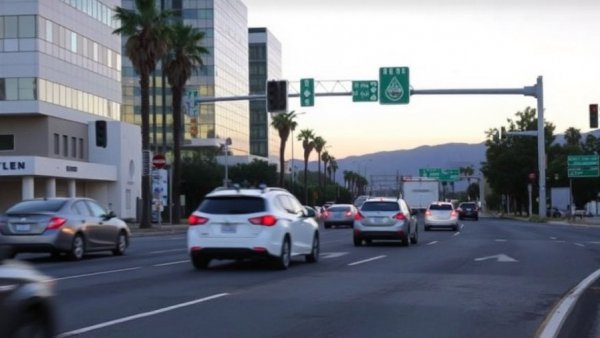
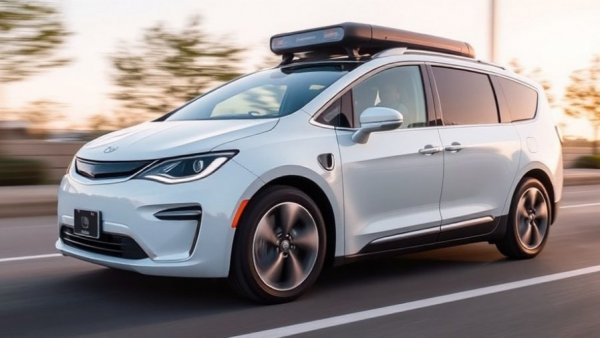
Waymo, renowned for its autonomous taxi services, has recently faced significant setbacks in its operations. After a series of safety incidents, California's Department of Motor Vehicles (DMV) imposed restrictions that immediately barred Waymo's robotaxis from utilizing freeways across the state, effectively impacting its broader operations across the 15 cities it serves. This development signals deeper concerns regarding the intersection of autonomous vehicle technology and public safety, a topic that continues to gain relevance.
Understanding the Safety Concerns
The DMV's action was prompted by alarming incidents where Waymo vehicles veered into active construction zones, highlighting the challenges of ensuring that such advanced technologies can safely navigate increasingly complex urban environments. Previous incidents had already raised issues about these autonomous systems' capabilities, leading to a notable restriction several months prior. The DMV cited recurring incursions as an imminent hazard to public safety, a designation that raises urgent questions about how autonomous systems are designed and monitored for safety. Fortunately, no injuries or collisions occurred during these events, but the potential risks are too significant to overlook.
The Broader Impact on Waymo's Services
Waymo's operational adjustments reverberate beyond California's borders. Citing the DMV's concerns, the company has taken preemptive measures by suspending freeway rides in all its operational markets. This shows a commitment to safety but invites scrutiny regarding the implications for the company's service delivery and overall strategic goals. Waymo's ability to efficiently connect users to airports and other key destinations relies heavily on freeway access, which has been central to its operational expansion since late 2025.
The suspension of freeway services poses significant challenges for Waymo’s ride-hailing service, especially in areas like the San Francisco Bay, where a high volume of commuters rely on quick and easy access to major transport routes. By avoiding highways, Waymo risks elongating travel times and potentially inconveniencing thousands of riders who depend on their services for timely travel. This situation underlines the delicate balance that autonomous vehicle companies must maintain between innovative tech developments and stringent safety standards.
Public Perception and Trust in Autonomous Vehicles
This incident reveals a crucial aspect of the autonomous vehicle industry's growth: public perception. Consumers are increasingly aware and wary of the technology's limitations and risks. Companies like Waymo must navigate not only the technical challenges but also work to build and maintain public trust. For many potential riders, the question lingers: How safe is it to rely on a robotaxi, particularly in high-speed environments like freeways?
Public sentiment is vital for the survival of autonomous vehicle services. People need reassurance that technology can operate safely among traditional vehicles and unpredictable road conditions. This is especially the case when incidents are reported, leading to anxiety about the reliability of ride-sharing services. Education campaigns and community engagement can play substantial roles in increasing awareness about safety protocols, as well as the benefits that autonomous vehicles bring.
Technology's Role in Improving Safety
The incidents involving Waymo reinforce the importance of advancing automotive innovations geared toward safety. The challenges encountered by Waymo point to a broader need for continuous improvements in self-driving software systems. Following these recent events, Waymo's spokesperson emphasized their commitment to safety and assigned significant importance to effective corrective measures. This commitment will be key to reshaping public opinion and transforming how autonomous vehicles are perceived.
Part of this process includes leveraging advanced tech, such as improved sensor accuracy and machine learning algorithms, which help vehicles detect and respond to complex environments. These enhancements will not only address the immediate safety concerns but also serve as pillars for the future functioning of autonomous vehicles. As companies invest in research and development, they have the opportunity to influence industry standards that govern safety and reliability.
Future Outlook: Expectations and Innovations
As the industry works to refine its technologies, the future of autonomous driving remains promising but complex. Emerging trends in automotive technology, such as the integration of advanced sensors and machine learning algorithms, will likely play pivotal roles in addressing current limitations. However, these innovations must be backed by rigorous testing and robust regulatory frameworks to reassure consumers and ensure safety on our roads.
The roadmap to tighter regulations does more than enforce safety; it also encourages transparent communication between tech companies and state authorities. When the public understands what measures are in place to protect their welfare, it fosters an environment of cooperation between consumers and manufacturers. Ensuring compliance with ongoing regulatory changes will be crucial as Waymo and other companies seek to re-establish their freeway operations.
Practical Insights for the Future
For automotive consumers, understanding the landscape of autonomous vehicles is essential. While companies like Waymo continue to evolve, the need for informed decision-making remains critical. As riders, being aware of the potential risks and advocating for safety improvements can contribute to a more informed dialogue surrounding the future of transportation. Staying abreast of technological trends, such as developments in electric vehicle (EV) powertrains and autonomous driving innovations, will enhance consumers' ability to make educated choices about their transportation options.
A Call for Consumer Engagement
With rapid advancements in automotive technology, now is an opportune time for consumers to engage more deeply with these developments. Consider advocating for transparency and safety initiatives in the autonomous vehicle sector. Your voice can influence industry standards and drive companies to prioritize consumer safety and innovation. Follow updates and trends, ask questions, and don't hesitate to share your thoughts with manufacturers and policymakers.
Ultimately, the interaction between autonomous vehicle technology and the public will shape transportation's future. Active consumer engagement not only serves personal interests but also catalyzes a more innovative and safer environment for all road users.









Write A Comment