

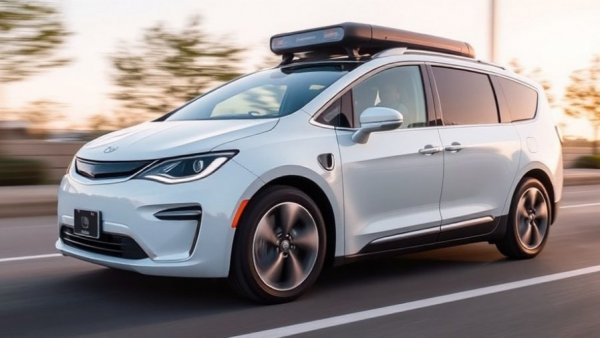
Waymo's Strategic Shift: Impact on the Ride-Hailing Sector
In a bold move set to reshape the landscape of ride-hailing, Waymo has confirmed that it will terminate its exclusivity agreement with Uber in the vibrant markets of Austin and Atlanta starting January 2028. Co-CEO Tekedra Mawakana unveiled this news in an interview with Bloomberg News, placing a strong emphasis on the need for a more direct connection with riders. This strategic decision is rooted in Waymo’s ongoing commitment to improving user experience, ensuring that riders receive reliable transportation services tailored to their needs.
This decision stems from feedback gathered from users who reported a mixed experience when hailing rides through Uber. Many riders felt uneasy, not knowing whether they would be picked up by a human driver or a robotaxi. Mawakana characterized the unpredictability of receiving a human-driven car versus a robotaxi as akin to “a little bit of a crapshoot.” In light of this, Waymo aims to enhance rider assurance and streamline their experience by offering rides directly through its own smartphone app, aligning its operations with its existing services in other cities, where users have shown preference for direct interactions.
The Evolution of Ride-Hailing Partnerships
The initial collaboration between Waymo and Uber, forged out of mutual benefits, allowed Waymo to tap into Uber's vast scale. Uber's logistical strengths gave Waymo a foothold in the competitive ride-hailing market, allowing it to rapidly roll out its services. However, as the autonomous vehicle market evolves and customer expectations shift, it appears that the dynamics of such partnerships need reevaluation. For Waymo, direct engagement with customers is becoming increasingly vital, reinforcing its brand and service offerings.
Uber remains willing to support the integration of Waymo’s autonomous vehicles within its platform, but it is noteworthy that Waymo opted against creating a dedicated option for booking robotaxis directly through the Uber app. This raises important questions about the future of partnerships in the autonomous vehicle space. With an increasing number of players in the market, including various tech companies and traditional automakers venturing into ride-hailing, the landscape is becoming more competitive. As the demand for robust and effective transportation solutions accelerates, similar companies may find themselves reassessing their own alliance strategies to remain relevant and responsive to consumers.
Consumer Preferences and Market Trends
As consumer preferences increasingly lean towards more control and transparency, Waymo's decision echoes a broader trend in automotive technology. Innovations such as enhanced EV powertrains and smarter consumer interfaces are driving the next wave of automotive advancements. Users are searching for reliable options in their travel experiences, demonstrating a desire for clearer service offerings that prioritize convenience and safety.
Current market trends suggest that the future of the automotive sector will lean heavily into voice-recognition technology, integrated payment systems, and more personalized ride experiences. Consumers today expect seamless interactions, where technology couples with their lifestyle to make mobility easier. This sentiment is echoed in various studies demonstrating that customers appreciate platforms where they can directly influence their journey and preferences dictate their transport solutions.
Waymo's Move Towards Independence
By transitioning away from its exclusivity with Uber, Waymo is asserting its independence in an atmospheric collaboration landscape. This strategic shift places the company in control of its brand narrative, allowing it to innovate and respond directly to consumer feedback. This autonomy may embolden Waymo to implement unique enhancements to their service, focusing not only on mobility but also on creating a comprehensive rider experience that includes options for customization.
Furthermore, Waymo's decision indicates a broader industry trend towards more self-sufficient operational models. By managing its own rides directly, Waymo can hone its user interface, ensure consistent service quality, and better integrate new technologies. This could lead to the introduction of features like real-time tracking, preferred vehicle types, and tailored ride experiences based on rider preferences.
Future of Autonomous Vehicles and Riding Ecosystems
Looking ahead to 2028 and beyond, this shakeup signals potential transformation in how we think about ride-sharing and autonomous vehicles. As companies like Waymo invest in diversifying their offerings and fostering direct relationships with riders, the implications for the overall automotive industry are significant. The enhancement of user experience can open new avenues for growth and innovation across the sector.
There are exciting possibilities: Increasing vehicle interconnectivity among riders, autonomous fleets delivering a seamless transport experience, and rapid adoption of vehicles equipped with advanced AI-driven navigation systems that respond in real-time to traffic conditions. Furthermore, as regulations around autonomous driving continue to evolve, establishing a strong brand presence will help companies navigate these changes effectively.
Conclusion: Why This Matters for Automotive Consumers
For automotive consumers, this change represents a significant moment in the evolution of how people access transportation. With the rise of autonomous vehicles, consumer expectations are rapidly shifting towards a desire for more control and better experiences. As riders look for options that resonate with their individual needs, the moves made by companies like Waymo will undoubtedly impact how services are perceived and utilized.
Whether you’re a car enthusiast, an everyday commuter, or someone interested in futuristic automotive trends, keeping an eye on Waymo’s progress and other developments in autonomous technology will be vital for navigating your transportation options. By understanding these shifts, consumers can better adapt and embrace the growing landscape of automotive innovations, ensuring they stay ahead in a rapidly changing world.









Write A Comment