

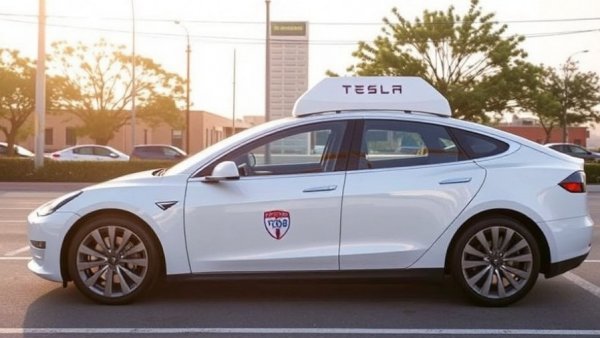
Tesla's Robotaxi Expansion: A Game Changer for San Antonio?
On the heels of its Austin launch, Tesla is focusing its innovative lens on San Antonio, Texas, as the location for its next expansion of the robotaxi service. Beginning Monday at 5 a.m. local time, the company aims to establish its presence in the bustling Texas city, hinting at a wider vision for autonomous transportation beyond traditional automaking.
The Background of Autonomous Vehicles
For over a decade, Tesla CEO Elon Musk has positioned the brand squarely in the limelight of autonomous driving technology. Musk’s vision of self-driving cars is more than just a lofty dream; it is a commitment evidenced by Tesla's gradual yet deliberate service roll-out, which began with a limited fleet in Austin back in June 2025. With each incremental expansion, Tesla has gathered valuable data and insights, continually refining its approach to vehicle autonomy.
Current Landscape: Competing with Waymo
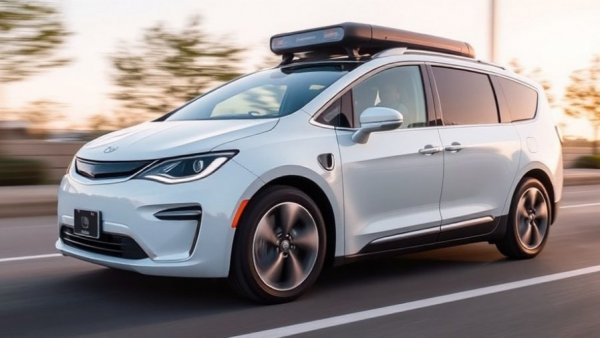
In its pursuit of dominance in the autonomous vehicle market, Tesla confronts a formidable rival: Waymo, a subsidiary of Alphabet that operates a contrasting fleet of driverless vehicles in various Texas cities. Waymo recently resumed operations in San Antonio after overcoming some challenging experiences, such as getting stuck in flooded roads during last year’s storms. The competition between these tech titans is rippling through the automotive landscape, sparking discussions around safety, efficiency, and public acceptance of robotaxis.
What's New In The San Antonio Launch?
Details surrounding the specifics of Tesla's San Antonio service remain somewhat under wraps. The company’s customary practice suggests an initial launch with a limited array of vehicles and a defined geographical area before a wider rollout. This time around, it remains unclear whether users will have access to the unique Cybercab or even if human safety monitors will be present. This could be one of the many pivotal junctures shaping Tesla's future in autonomous ride-hailing systems.
The Future of Robotaxi Services: Predictions and Insights
As Tesla embarks on this new venture, opportunities and challenges await. The adoption of autonomous vehicles could significantly alter commuting patterns and urban design. Experts predict that as technological advancements continue, robotaxis could reduce the need for personal vehicle ownership, leading to a transformation of cities as we know them. Tesla's initiatives could pave the way for more sustainable urban lifestyles, enhancing public transportation accessibility.
A Closer Look at Tesla’s Current Operations
As it stands, Tesla operates over 400 autonomous vehicles in Austin, but the numbers dwindle in other cities. For instance, data shows just 24 vehicles in Fort Worth and a mere five in Miami. This disparity invites a closer examination of regional factors influencing adoption rates while highlighting the potential for growth in markets like San Antonio.
The Importance of Consumer Acceptance
User acceptance is a major pillar in the success of autonomous services. As skepticism relates to the safety of self-driving cars persists, it is vital for Tesla to foster trust among consumers. By showcasing the operational efficiency and safety of its vehicles, Tesla can lay the groundwork for future expansions not just in Texas but across other states.
Data on Robotaxi Adoption and Usage
Current reports indicate a shortfall in the miles driven by Tesla's robotaxi service, suggesting consumer adoption is slower than projected. In the second quarter, its autonomous network recorded fewer miles with paying customers compared to the first, reflecting ongoing challenges in persuading riders to utilize these services. This trend raises critical questions about market strategy and user engagement.
The Role of Policy and Regulation
For Tesla’s ambitions to come to fruition, regulatory frameworks will play a key role. Tesla's current ride-hailing services in California require a human operator due to regulatory constraints. The evolving landscape of automotive regulations could either impede or propel the company’s ability to operate its autonomous services across various states.
Encouraging Responsible Innovation
As we look ahead, responsible innovation in the realm of autonomous driving will be paramount. It is crucial that companies like Tesla not only prioritize technological advancements but also the ethical and safety implications tied to them. The interplay of technology, user trust, and regulatory compliance will ultimately shape the future of this transformative industry.
Conclusion: The Call for Engagement
As Tesla’s robotaxi service prepares to expand into San Antonio, we find ourselves at an intersection of technology and everyday living. It’s a testament to how automotive innovations and EV powertrains are fusing to create new transport paradigms. Whether you embrace this shift or remain a cautious observer, staying informed about these advancements is critical. Are you ready to experience the future of transportation? Keep an eye on new developments and consider how they might influence your commuting choices in the near future.









Write A Comment