

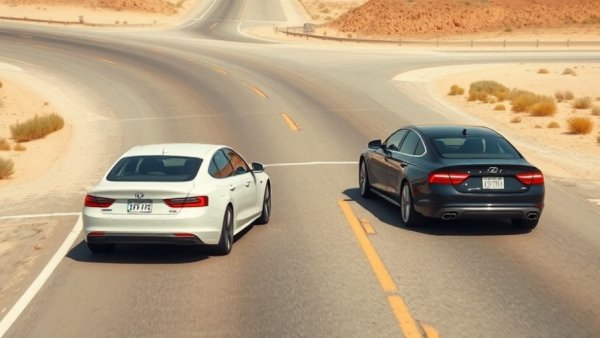
Understanding the Impact of Intersection AEB Systems on Road Safety
Orlando, Florida — The recent advancements in Automatic Emergency Braking (AEB) technology have raised important questions about road safety, particularly at intersections where many collisions occur. In a series of tests conducted by AAA, four 2026 model-year vehicles equipped with intersection AEB were evaluated against common crash scenarios, showcasing improvements but also significant limitations. As these vehicles represent a new generation of technology aimed at enhancing safety, understanding their functionality is crucial for both consumers and manufacturers.
What Did the Tests Reveal?
The AAA tests aimed to measure how well these AEB systems react in scenarios where accidents are likely to happen, such as when another vehicle unexpectedly enters an intersection. The results were promising in standardized tests: all four vehicles successfully avoided collisions during a controlled left turn across oncoming traffic. However, things took a disappointing turn when faced with new, actual road situations. Three of the tested cars failed to prevent collisions when a car entered their path from a side road. This stark contrast highlights a gap in practical effectiveness that drivers need to be aware of.
The Importance of Robust Testing Protocols
Historically, AEB systems in the U.S. have largely focused on rear-end collision scenarios. Euro NCAP introduced limited intersection tests in 2020, allowing a peek into the effectiveness of these systems in more complex situations. Conversely, the National Highway Traffic Safety Administration (NHTSA) has been slow to implement a comprehensive testing standard. This delay can significantly impact consumer safety, as the absence of rigorous protocols means that automakers may not be compelled to refine their AEB technology for commonly occurring intersection accidents, which remain under-evaluated.
Experts argue that without a unified approach to test AEB systems in a wider array of real-world scenarios, the benefits of these technological advancements could be overstated. The lack of comprehensive testing also raises questions regarding liability and accountability when collisions occur despite the presence of advanced safety technologies.
Real-World Implications for Drivers
According to Greg Brannon, AAA’s Director of Automotive Engineering and Research, “Intersections are some of the most dangerous places on the road. AEB is making progress in the limited intersection scenarios it is tested to handle. Unfortunately, performance outside those scenarios is spotty.” This means drivers should not solely rely on AEB systems for safety. Instead, they should stay alert and be prepared to act—like keeping their foot close to the brake pedal at intersections. Understanding that these systems may not operate seamlessly in all situations can empower drivers to make safer choices.
How Can Drivers Take Advantage of AEB Technology?
As groundbreaking as AEB technology has become, it is vital that drivers take proactive steps to enhance their safety. Here are some practical takeaways:
- Stay Informed: Understanding how AEB systems work and their limitations gives drivers a better grasp of how to use them effectively. Education on the functioning of these systems can help in making informed decisions behind the wheel.
- Active Participation: Always stay alert when driving, especially at intersections. Being aware of your surroundings and maintaining focus can mitigate risk. Covering the brake while approaching intersections can prepare you to react swiftly to unexpected situations.
- Communicate with Others: Discussing experiences with other drivers can contribute to greater awareness around the use of AEB technology and other safety features. Sharing insights about intersection safety and technology can lead to more informed decision-making.
The Future of AEB Technology: What Lies Ahead
As AEB technology develops, it’s essential for automakers to collaborate with researchers and regulatory bodies to expand testing protocols. More comprehensive tests will ensure vehicles can handle a wider variety of scenarios, including those with higher collision risks. Looking ahead, the advancement of AEB technology could include features that better predict driver behavior, adapt to changing road conditions, and improve interaction with other vehicles.
Moreover, as technology continues to evolve, the design and implementation of more robust AEB systems may eventually lead to fully autonomous driving capabilities. The ongoing research will not only enhance safety for all road users but also create a more unified framework for assessing vehicle technologies.
Conclusion: Staying Informed and Prepared
While AEB can certainly provide an extra layer of safety, especially in the course of lengthy drives on busy roads, drivers must maintain active participation in their immediate safety by remaining vigilant and ready to respond. Understanding the capabilities and limitations of technology enhances not just individual safety but raises awareness throughout the automotive community. Moreover, the evolution of AEB systems will undeniably influence the future of driving and traffic management.
To further enhance your understanding of automotive technology and safety, consider discussing your experiences or concerns about AEB systems with other drivers and organizations committed to road safety. Advocacy for technology improvements and involvement in community dialogues can help create a safer driving environment. Together, we can advocate for technological enhancements that protect everyone on the road, ensuring that as technology evolves, road safety improves in tandem.










Write A Comment