

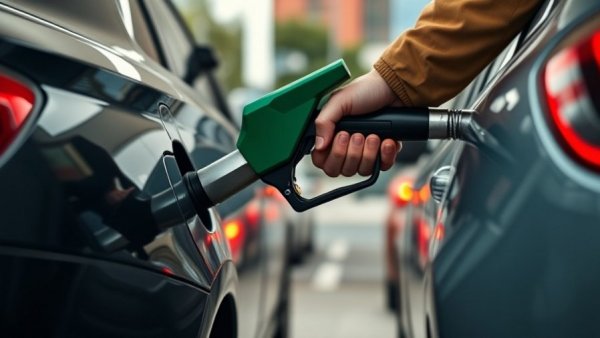
Gas Prices on a Roller Coaster Ride
Gas prices have been a major talking point lately, with the national average falling by 12 cents to $4.10 per gallon this week. This drop marks a brief respite for drivers, especially as prices had been on a steady climb. However, it’s important to note that while these prices have dipped, they are still at record highs for this time of year. In fact, before 2026, prices had never crossed the $4 mark in November. This surge in prices has made it challenging for many households, particularly those with tight budgets to manage their travel expenses.
The Impact of Crude Oil Prices
Why the significant price fluctuations? The answer lies in crude oil prices, which have recently settled between $80 and $90 per barrel. This can heavily impact gasoline prices since crude oil is a major component in gasoline production. As the oil market shifts, so too will gas prices at the pump. Many experts believe that these oil prices could lead to further changes in the coming months, but for now, there's some relief at the gas stations. It’s worthwhile to note that global events, such as political tensions in oil-producing regions, often lead to sudden spikes or drops in oil prices, which subsequently affect consumer costs immediately at the pump.
Electric Vehicle Charging Rates Increase
While traditional gasoline prices take the spotlight, attention must also be paid to electric vehicle (EV) charging costs. Surprisingly, the average price to charge at a public station has increased to 42 cents per kilowatt-hour this week. This increase has raised concerns for current and prospective EV drivers regarding the overall cost of ownership. For those considering an EV, understanding these costs is essential, especially when calculating the overall expense of ownership. Comparatively, the convenience of home charging during off-peak hours can somewhat mitigate these expenses, making it crucial for consumers to weigh their options carefully.
The Yearly Comparison
A look back at the last year offers a stark reminder of how much gas prices have surged. Currently, the national average is over a dollar more than it was just twelve months ago. This substantial jump in costs may alter travel plans and fluid mobility for many families around the country. With the holiday season approaching, many households may need to rethink their travel plans or consider carpooling options to alleviate some of the financial burden associated with increasing fuel costs. The ongoing expenses associated with automotive road trips are becoming increasingly important to budget for as they impact everything from holiday travels to weekend getaways.
Future Predictions: What’s Next for Gas Prices?
Looking ahead, experts are divided on whether this recent dip in prices will last. Some analysts believe that if crude oil prices hold steady, consumers might see further reductions at the pump. However, others warn of potential spikes if geopolitical tensions or natural disasters affect oil supply chains. Keeping a close eye on these external factors can provide consumers with a better understanding of when to fill up their tanks. Consumers are urged to stay informed about fluctuations in gas prices, which could heavily impact budgets and travel plans alike. This information could prove invaluable for savvy drivers looking to make the most out of their tank.
Making Informed Decisions as Drivers
Given the current state of gas prices and EV charging costs, it's crucial for consumers to analyze their driving habits and vehicle choices. Whether you're an auto ownership veteran or a first-time car buyer, knowing how these trends impact your financial decisions can help you make better choices regarding travel, vehicle maintenance, and buying decisions. Understanding the dynamics at play can empower car owners to manage their costs effectively and plan budget-friendly road trips. Additionally, opting for fuel-efficient vehicles can provide long-term savings as the price of fuel remains uncertain.
Common Misconceptions About Fuel Prices
There are some misconceptions floating around about gasoline pricing. One common belief is that prices always go down in winter months. While this can be true, there is no guarantee, as seen in recent years where shifts in supply chains and holiday demand have kept prices elevated. Also, many drivers may think that switching to an electric vehicle eliminates the need to consider fuel costs, which is misleading. Charging prices are on the rise, emphasizing the need for hybrid insights when considering new car purchases. EV owners should also remember that electricity prices can vary significantly depending on local regulations and demand, which can impact their overall costs.
Conclusion: Stay Informed and Adapt
In conclusion, gas prices may have dipped, but the higher costs compared to last year serve as a reminder that fuel prices can be unpredictable. Staying informed about these trends is essential for all drivers, allowing for sensible budgeting and aiding in expense management during automotive road trips. Understanding the full scope of auto ownership is more critical than ever. With fluctuating prices, consumers need to be proactive about researching and adjusting their driving and spending habits accordingly. By remaining aware of market dynamics, drivers can make smarter, more informed decisions that fit their lifestyles.










Write A Comment