

Introduction: The Landscape of Light-Vehicle Sales
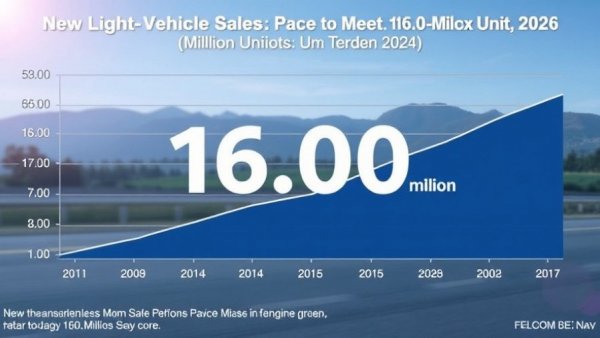
As we draw closer to year-end, the auto market is keeping a keen eye on new light-vehicle sales, which are currently expected to meet or exceed 16 million units by 2026. Even though October sales showed a slight decrease year-on-year, the overall annual sales figures indicate a resilient market continuing to adapt to changing consumer preferences and financing challenges. The automotive industry is undergoing a transformation, driven by technology, consumer behavior, and economic factors, leading to an intriguing landscape for both manufacturers and buyers.
Monthly Sales Trends: A Closer Look
October's seasonally adjusted annual rate (SAAR) stands at 15.54 million units, marking a 0.9% dip from the same month a year earlier. However, for the year-to-date, the SAAR shows a promising figure of 16.05 million, albeit down 1.8% from 2025. This mixed bag of statistics highlights fluctuations but suggests a steady demand for vehicles—particularly in the hybrid category. It appears that consumers are shifting their preferences, perhaps influenced by rising gas prices and the push for more sustainable options. As we approach the final months of the year, manufacturers are likely to recalibrate their inventories based on these changing dynamics.
Hybrid Vehicles on the Rise: What's Driving Demand?
Conventional hybrid vehicles have captured the hearts (and wallets) of consumers, accounting for 15.7% of all new-vehicle sales—a notable increase of 3.1 percentage points from the previous year. This growth can be attributed to their fuel efficiency and appealing pricing strategies. These vehicles are not only quicker to sell—taking merely 26 days on average—but they also showcase a broader industry trend towards eco-friendlier transportation options. With advancements in hybrid technology, manufacturers are now able to offer cars that provide better fuel economy without sacrificing performance. As a result, eco-conscious buyers looking to contribute positively to climate change while enjoying technological innovation are increasingly gravitating towards these options.
Battery Electric Vehicles Have Room for Growth
In contrast, battery electric vehicles (BEVs) have seen a decline in market share, falling to just 6.2% for this year. This 2.1 percentage-point reduction is indicative of the challenges facing the BEV market, including high prices, limited charging infrastructure, and lingering affordability concerns. Many consumers are finding the cost associated with BEVs steep, particularly when factoring in the upfront purchase price and the installation of a home charging station. While the technology continues to evolve, immediate interest in conventional hybrids may overshadow BEVs for the time being. However, with increasing investments in battery technology and expansion of charging networks, there remains a glimmer of hope for a rebound in the BEV market in the future.
Addressing New-Vehicle Affordability Challenges
The affordability of new vehicles presents ongoing challenges for potential buyers. JD Power reports that the average monthly payment for financing a new vehicle has jumped to $823—a notable 2.6% increase from last year. Coupled with rising borrowing costs, marked by an interest rate rise to 6.81%, many buyers find themselves reconsidering their options in an already tight market. As wages have stagnated for many households, the additional financial burden of owning a vehicle necessitates careful planning and consideration. Prospective buyers are encouraged to explore alternatives, such as purchasing used vehicles or evaluating different financing options, to make the purchase more manageable.
The Impact of Rising Interest Rates
With the Fed expected to hike interest rates once again, consumers may have to adjust their budgets accordingly. As borrowing becomes more expensive, potential car buyers are becoming increasingly cautious. However, the resilience within the auto market suggests that interest rates will not entirely deter consumers from pursuing their vehicle purchases. The market is adapting, with many dealerships offering incentives and promotions to encourage sales even in a challenging financial landscape. Buyers who conduct thorough research and shop around for the best financing solutions will be in a stronger position to navigate these economic challenges.
Future Outlook: A Steady Market Ahead?
Heading into 2027, the auto industry is positioned with both optimism and caution. While interest rates may pose challenges, the continued demand for hybrids indicates a bright spot in overall sales prospects. NADA asserts they do not foresee any significant pullback in consumer activity in the final months of the year, which bodes well for maintaining sales momentum. Manufacturers are expected to innovate, enhancing the features of hybrid vehicles and potentially lowering prices for electric models as competition increases. This could lead to a more vibrant and diverse automotive market where consumers have more choices than ever.
Understanding Consumer Sentiments: Data Insights
To better understand the consumer psyche in today's vehicle market, it's essential to look at related trends and how they impact buying decisions. The fluctuations in oil prices, advancements in automotive tech, and government incentives all play important roles in shaping consumer attitudes about new vehicle purchases. For example, as the energy transition progresses, the government has implemented tax credits aimed at promoting electric vehicle adoption. This shift can spark interest among previously hesitant consumers, as the promise of savings on fuel and incentives may offset potential purchasing costs.
Conclusion: Navigating the Future of Automotive Sales
The automotive industry stands at a critical juncture as it looks ahead to 2026. With ongoing shifts in consumer preferences and economic challenges, both dealers and manufacturers must remain adaptable and responsive. While hybrids may dominate the sales chart in the near term, the future of BEVs holds promise that cannot be overlooked. The growth of hybrids could serve as a bridge, fostering a wider acceptance of electric vehicles as infrastructure improves and prices become more affordable.
As we analyze these trends, car buyers should consider their financial options carefully, weighing factors like auto repair possibilities, ongoing maintenance costs, and environmental impacts to make informed decisions. Knowledge is power in navigating the complex landscape of car buying today. Consumer education, combined with transparent information from manufacturers, will ultimately shape the future of the auto market.
Stay tuned for more insights and analyses to guide your automotive journey. The future possibilities in the automotive industry are vast, and being informed is key to making the best choices for your needs.










Write A Comment