

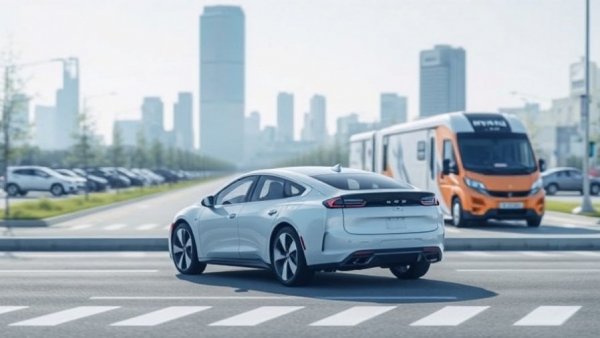
The Future of Vehicle Transport: Adapting to Industry Changes
The automotive industry is undergoing a monumental shift. With the rise of electric vehicles (EVs) and advancements in technology, how vehicles are built, sold, and delivered is transforming rapidly. For car dealerships and transport providers, this isn't just a trend—it's a reinvention of business strategy, influenced by logistics.
Why Logistics Matters More Than Ever
Car dealerships are waking up to the reality that logistics is no longer a back-office function but a critical part of their brand and customer experience. This evolution is driven by various factors. As vehicles become more complex with new technologies, logistics teams need to adapt their operations to meet these emerging challenges.
Electric vehicles, for instance, require special handling due to their heavy battery packs and need for charging access. This requires transport teams who understand the distinctions between shipping an EV and a traditional gas-powered vehicle. As EV sales rise, dealerships must collaborate with logistics providers who are equipped to handle these new demands effectively.
Understanding Electric Vehicles' Impact on Transport
Shipping an EV doesn’t just involve loading it onto a truck. The added weight from batteries can affect load planning and legal weight distribution. To guarantee safe transport, logistics providers must now consider the specifics of each vehicle type. Keeping battery integrity intact and ensuring proper handling of electronic systems also adds layers to the requirements for EV transport.
Charging infrastructure is another critical area. Dealers need to ensure that vehicles can be delivered in a ready-to-drive condition, which imposes more burden on transport hubs to facilitate charging access. This shift means transport providers have to develop refined processes that mirror the transformation happening in vehicle manufacturing and sales.
The Online Buying Revolution and Heightened Expectations
Online car buying has revolutionized vehicle sales, enabling consumers to browse, compare, and purchase cars without ever visiting a dealership. As a result, customers expect a seamless delivery also reflective of their online shopping experiences. Timeliness, clear communication, and integration into the purchasing experience are now paramount. If a car isn’t delivered on time or the transport experience is subpar, it can lead to dissatisfaction with the entire purchase.
Dealers are realizing that transport is not merely a logistical function; it's an integral part of their sales strategy. An advanced logistics partner can provide not just transportation, but also enhanced customer communication and real-time tracking, which are essential in this new buying landscape.
Connected Vehicles: Smart Transport Solutions
The future of vehicle transport is being shaped by connected vehicles. These cars can transmit data regarding their current location, status, and operational readiness. For transport providers, this data can streamline logistics considerably, leading to improved accuracy in delivery times and coordination of pick-ups. With autonomous technology still on the rise, the data gleaned from connected vehicles can help logistics become not only smarter but more efficient.
Anticipating Future Trends in Vehicle Transport
We can expect some transformative predictions regarding how this might unfold in the coming years. As manufacturers produce more electric and connected vehicles, logistics practices must evolve in parallel. There will be an increased need for specialized training among transport providers to ensure they understand the nuances of heavy EVs and their requirements.
Moreover, as the trend of online vehicle purchases expands, companies will have to find innovative ways to integrate technology into their operations. This will include developing systems that provide real-time updates to customers, ensuring transparency and reliability throughout the transport process.
Empowering Stakeholders for Future Success
Logistics in the automotive industry is no longer just about moving vehicles from point A to point B. Success in this new era requires a holistic approach, where partnerships between dealerships and logistics providers are based on shared knowledge and mutual understanding of the complexities involved. Both sides must work together to implement technology and processes that embrace not just the operational factors but also the emotional expectations of the customers.
Embracing this change allows dealers to focus on what they do best–selling vehicles–while logistics partners handle the intricacies of transporting them in an ever-evolving market.
Conclusion: Adjusting to the New Norm in Vehicle Transport
As we navigate this new era of automotive transport, understanding the changes in logistics is key for both consumers and dealerships alike. With advancements in technology continuing to reshape the industry, it is essential to stay informed about these trends. By partnering with knowledgeable logistics providers, dealerships can enhance their customer experience, ensuring satisfied buyers and a robust brand reputation.










Write A Comment