

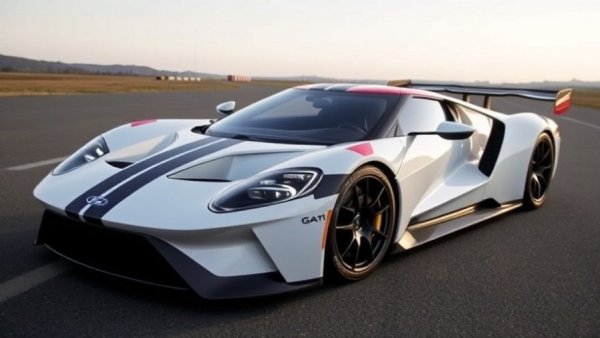
The Exciting Return of Ford to Le Mans
Ford’s newly unveiled GT41 is more than just a racing car; it embodies the legacy and innovative spirit of an American automotive giant. Officially introduced during the Thanksgiving Day NFL game, the GT41 signals Ford's comeback to the elite ranks of the 24 Hours of Le Mans—a race that has long been a prestigious battleground for automotive excellence. The 24 Hours of Le Mans is known not just for its grueling endurance tests but also for pushing the boundaries of automotive engineering, where every second can make a significant difference in the outcome of the race.
A Name That Echoes History
While many might speculate about the car's name referring to its height, the GT41 is a tribute to the famed GT40, which was notorious for its success. However, the GT41 stands at 41.7 inches tall due to FIA regulations, showcasing that the evolution of racing technology continues to shape these iconic vehicles. The slight shift in nomenclature reminds us that advancements must keep in sync with modern standards while still honoring the brand's rich heritage. As racing has evolved, so have the aesthetics and engineering principles behind these machines, maintaining a delicate balance between tradition and innovation.
A Fully Internal Ford Creation
In a bold move, Ford has taken a completely in-house approach for the development of the GT41, affecting everything from design to engineering. Mark Rushbrook, Ford Racing's global director, emphasizes that every component is carefully crafted by Ford engineers. This internal focus not only ensures quality control but also enhances team spirit and innovation. By fostering internal collaboration, Ford is poised to tap into a rich pool of expertise that can challenge and redefine what a hypercar can achieve. Following this ethos, the heart of the GT41—a naturally aspirated 5.4-liter V-8 engine—shares its lineage with Ford's production engines, marking a blend of race technology and automotive tradition.
Engineering Excellence at Its Core
This engine, represented as the "heart of the car" by Rushbrook, showcases Ford’s engineering prowess. Built to rigorous standards at Ford's Essex Engine Plant, it draws components from the renowned supercharged engine used in the Mustang Dark Horse SC and the F-150 Raptor R. The choice to utilize familiar engineering from highly successful consumer vehicles marks a shift towards greater cross-application of technology between racing and consumer vehicles. Such deep integration of production technology into the racing domain not only highlights efficiency but also elevates excitement surrounding the car’s performance potential. It reflects Ford's commitment to leveraging their extensive experience in high-performance engines while taking bold strides in competitive racing arenas.
A Unique Design Unveiling to Come
While the GT41 has made its initial splash, the final livery will be revealed closer to the 2027 World Endurance Championship (WEC) season opener in Qatar. Interestingly, the current camouflage design incorporates elements like the American flag and symbols relevant to Detroit, signifying the pride in being an American manufacturer. This artistic choice resonates with fans who appreciate both the visual and cultural narratives behind such a machine. As part of Ford's branding strategy, these design elements not only tell a story of heritage but also play a significant role in fan engagement, fostering a connection between the car, the brand, and its supporters.
Continued Testing and Campaigns
As the GT41 undergoes rigorous testing globally, it is clear that Ford is committed to success at Le Mans. The excitement is not just limited to the car's engineering; their new "Go Like Hell" advertising campaign, directed by filmmaker Zac Snyder and narrated by actor Matt Damon, reinforces the high-stakes drama and passion that embody competitive racing. These ads tap into the heart and soul of motorsports, capturing the thrill of speed and the pursuit of excellence. Viewers can expect to see these dynamic ads across multiple platforms, bringing the excitement of the GT41 directly to the fans. This integration of marketing with the engineering narrative aims to create a sense of community around the upcoming racing season, further motivating audiences to rally behind the Ford team.
Looking Ahead: The Future of Ford in Racing
The announcement of the GT41 does not simply illustrate Ford's ambition for racing glory but also highlights a strategic direction in performance engineering. Unlike some competitors, Ford has no plans to participate in IMSA or the 24 Hours of Daytona in 2027, suggesting a concentrated focus on making a significant impact at Le Mans. This decision underscores an intent to build a distinct legacy with the GT41 and to establish a stronghold in international endurance racing. By aligning their efforts around a single, ambitious goal, Ford aims to streamline its resources towards achieving greatness at Le Mans, reminiscent of their historic battles at the same venue decades prior.
Broader Implications for the Automotive Industry
Ford’s maneuver into Le Mans with the GT41 could usher in a new era of performance vehicles that fuse racing technology with mass-market appeal. As automakers increasingly explore sustainable and performant vehicles, Ford's internal dedication to engineering excellence serves as an example for others. This initiative represents not just a strategic comeback, but also aligns with global trends toward sustainability and performance optimization. By choosing a familiar path with innovative twists, they are setting the stage for what the future of automotive racing can look like. Through their commitment to pushing boundaries, Ford may influence other manufacturers to combine racing heritage with cutting-edge developments, thus reshaping the landscape of performance automobiles for years to come.
Conclusion: Ford’s Renewed Legacy
The GT41 is more than just a car; it symbolizes Ford’s ambition, innovation, and the spirit of competition that defines the brand. As they prepare for the challenges ahead in the WEC, fans and automotive enthusiasts alike will be watching closely to see how this new competitor performs. Just as the GT40 captivated audiences and carved out a legendary status in automotive history, the GT41 has the potential to do so once again, revitalizing Ford’s legacy in endurance racing while forging ahead into a future filled with possibility.









Write A Comment