

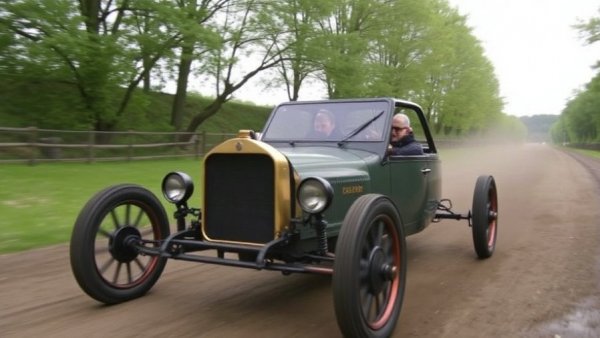
Discovering the Unusual Sport of Buggy Racing
In a world full of thrilling competitions, one has flown under the radar for over a century at Carnegie Mellon University (CMU): Buggy racing. This unique sport involves students engineering their own carbon fiber buggies, with actual participants tucked inside, racing in a blend of speed and strategy. What sets this apart from typical racing events is not just the format—it’s a fascinating fusion of engineering, athleticism, and secrecy that keeps contestants coming back year after year. At first glance, Buggy might seem like an eccentric pastime, but its roots and growth over the years reveal it as a significant testament to student ingenuity.
How Buggy Racing Challenges Engineering Students
For many students at CMU, participating in Buggy is both an intense engineering challenge and an adrenaline-pumping competition. Similar to Formula SAE, where engineering students design, build, and race small formula-style cars, Buggy requires meticulous design choices focusing on speed and aerodynamics. According to Caroline Kiesnowski, the head mechanic and driver of one of the teams, teams deal with various complexities: from optimizing the weight of the buggy to refining its aerodynamic qualities for maximum efficiency on the downhill sections of the course. Each team uses past experiences and new technological advancements to create increasingly competitive designs.
As students embrace cutting-edge design tools, they often reflect on how technologies used in commercial automotive engineering influence their buggies. The continuous pursuit of lightweight materials and advanced aerodynamics mirrors trends in high-performance racing, where a few ounces can impact overall velocity substantially. The synergy of engineering and competition in Buggy allows students not only to apply textbook knowledge but also to innovate in ways that could eventually benefit their future careers.
The Secrets Behind Buggy Design
The design process for these buggies involves more than just creating a fast vehicle; strategic planning around the driver adds a unique twist. Many teams design their buggies around the smallest members who can comfortably fit inside the tightly packed spaces. As Kiesnowski pointed out, the competition involves significant teamwork: "You put a person in a tube, and you use it as a baton in a relay race." The tight fit emphasizes the importance of not just engineering but also ergonomics, as the smallest adjustments can lead to success or failure in the competition.
This attention to detail extends to materials selection as well—carbon fiber is favored for being incredibly light and strong, which is a crucial combination for a sport where every ounce matters. As the students craft their buggies, they make choices that reflect a balance between innovation and practicality, further honing their problem-solving skills.
The Thrills and Spills of the Buggy Course
While the course primarily consists of straightaways and mild curves, 'The Chute' presents a daunting challenge. This notoriously tricky section of the track is prone to crashes, requiring precise design and keen driving skills. Teams often debate the merits of two common designs: the standard trike configuration, which positions two rear wheels and one front wheel, versus the reverse trike design, which has two leading wheels for better steering. This choice reflects broader conversations in racing regarding stability versus maneuverability, sparking insights that go beyond Buggy to inform other mechanical designs in motorsport.
Competing teams also have to consider factors like weather, track conditions, and even crowd interaction on race day, which can all influence how their buggies perform. The thrill of navigating tight turns and making strategic passes is compounded by the living, breathing audience that cheers and rallies behind their favorite teams, creating an electrifying atmosphere reminiscent of larger-scale motorsport events.
The Community Behind the Race
Competitions like Buggy thrive on community and school spirit. Students form tight-knit teams, with each member contributing to various aspects of the vehicle’s design and race day operations. The culture around Buggy also emphasizes safety, with strict regulations ensuring that every buggy meets safety standards before hitting the track. Each team’s commitment to safety measures reflects a broader trend in motorsports where the well-being of participants is prioritized above all. Even with competitive spirits running high, participants share an understanding of the importance of looking out for each other.
The camaraderie extends beyond the competition itself, as teams often engage in collaborative efforts, sharing insights, design strategies, and sometimes even tools in a spirit of friendly rivalry. Participants know that today’s competition fosters tomorrow’s industry leaders, creating a network of support that can last long after graduation.
A Sport Rooted in Tradition with a Future Ahead
Looking back through its history, Buggy serves as more than just a competition; it is a testament to collaboration, innovation, and resilience. As teams continue to push the boundaries of design and performance, Buggy racing remains a captivating fusion of technology and athletics. It’s a microcosm of engineering advancements and team dynamics that will likely inspire future generations of engineers. With its deep-rooted traditions and scope for innovation, Buggy is a sport poised for continual evolution in the years to come.
Final Thoughts: Engaging with Buggy Racing
As we celebrate the 100-year legacy of Buggy racing at CMU, there remains much to learn about this remarkable event. For students and tech enthusiasts alike, diving into the intricacies of Buggy racing offers valuable insights into the relationship between design and performance in sports. Whether you're a budding engineer or a motorsport fan, the lessons and experiences drawn from Buggy racing are as valuable as the thrill experienced on race day.
As technology continues to advance and new strategies emerge in competitive engineering, Buggy racing serves as a living laboratory, where education meets entertainment in exhilarating ways. So the next time you find yourself at CMU during a race, take a moment to appreciate not just the speed and excitement, but the innovation and hard work that drives this century-old tradition forward.











Write A Comment