

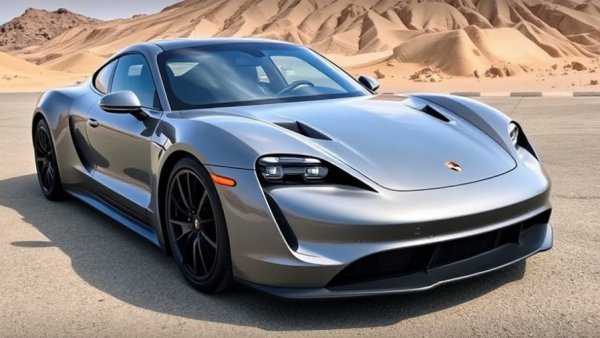
Understanding the High Cost of Electric Vehicle Repairs
When it comes to electric vehicles (EVs), many consumers are still grappling with common misconceptions about ownership costs. Recent anecdotes, like my experience with a Porsche Taycan, highlight the challenges that can arise, especially after accidents. The seemingly minor fender bender not only took a toll on my patience but also illustrated the complex nature of EV repairs, which often come with unexpectedly high price tags.
The Environmental Impact of EVs
As a car enthusiast and environmental advocate, I find myself caught in a paradox. While I appreciate the performance and tech advancements of modern EVs, the environmental effects associated with their production cannot be ignored. New cars, regardless of their power source, demand significant energy and raw materials. However, buying used EVs helps distribute that carbon footprint among multiple owners, making them a more eco-friendly choice. This is particularly true for models like the Porsche Taycan, which depreciate rapidly. A well-maintained used EV is often the most efficient choice for environmentally conscious consumers.
Trusting Others with Your Investment
Another lesson learned from my experience is about trust and the risks of lending valuable possessions. I had lent my Taycan to a friend, confident in their driving abilities, only to be blindsided by a phone call about an accident. Relationships can be strained in such scenarios, especially when damages incurred escalate beyond what one expects from a mere fender bender. In an accident involving luxury vehicles, the aftermath can be especially complicated. This experience also serves as a reminder that, despite our best judgment, accidents can happen to anyone, and it’s crucial to approach such situations with understanding and open communication.
The Shocking Cost of Repairs
Upon assessing the damages, I assumed repairs would be contained to the bumper and possibly the wheel, estimating the costs between $3,000-$4,000. However, the total bill escalated to over $35,000. It’s essential for EV owners to understand that hidden costs can quickly arise, particularly with complex systems like air suspension. Repairing electrical and mechanical components often requires extensive labor, specialized tools, and top-notch parts. This experience underscores the hidden expenses tied to EV maintenance and repair, a crucial lesson for current and prospective EV owners alike.
Complexities of Modern EV Repair
The repairs from the accident revealed vulnerabilities inherent in electric vehicles that many owners may overlook. Once the air suspension system was damaged, multiple components required replacement—not just those directly impacted. The intricacies of modern EV technology mean that even well-meaning attempts at simple repairs can lead to unforeseen consequences. Moreover, the labor costs for replacing these elements added up quickly due to the intricate nature of EV technology. Removing a battery pack, for instance, could take over 24 hours at a hefty shop rate, multiplying the expenses considerably. Learning about these expenses is critical for potential EV owners, particularly those with high-performance models.
Demanding Greater Transparency
As our society progresses toward electric mobility, it’s crucial for manufacturers to prioritize transparency about vehicle maintenance costs. Manufacturers should offer clearer insights into what typical repairs might entail, especially for luxury and performance-oriented electric models. This initiative could help reassure hesitant consumers about the reliability and affordability of these vehicles, allowing them to make informed decisions. Educating consumers about what to expect in terms of repairs will assist in easing some fears associated with transitioning to electric alternatives. As we navigate the shift towards electrification, both consumers and manufacturers must cultivate a dialogue focused on real-world experiences and expectations.
Takeaways for Future Electric Vehicle Owners
For potential electric car buyers, it’s essential to research not only the purchase price but also long-term maintenance costs. Depending on the model, repairs can be significantly more expensive than traditional combustion engine vehicles. Keeping older, efficient cars on the road is a viable, sustainable option that reduces environmental impact while also alleviating the burden of high repair costs. In addition to thorough research, it’s wise to factor in long-term expenses related to charging infrastructure, battery longevity, and technology updates.
Additionally, considering comprehensive insurance that covers high-value vehicles can safeguard owners from financial pitfalls following unexpected incidents. It’s imperative to ensure that your policy is suitable for the specific needs of an EV. As these vehicles continue to gain traction in the automotive market, consumer education and preparedness will dictate how smoothly this transition unfolds.
In conclusion, while owning an electric vehicle can be incredibly rewarding, it comes with its own set of complexities and challenges. By being informed about potential expenses, understanding the intricacies of EV technology, and fostering open communication with trusted friends and mechanics, buyers can make well-rounded, responsible decisions that will enhance their EV ownership experience while minimizing environmental impact.








Write A Comment